In the Footsteps of Emanuel Swedenborg
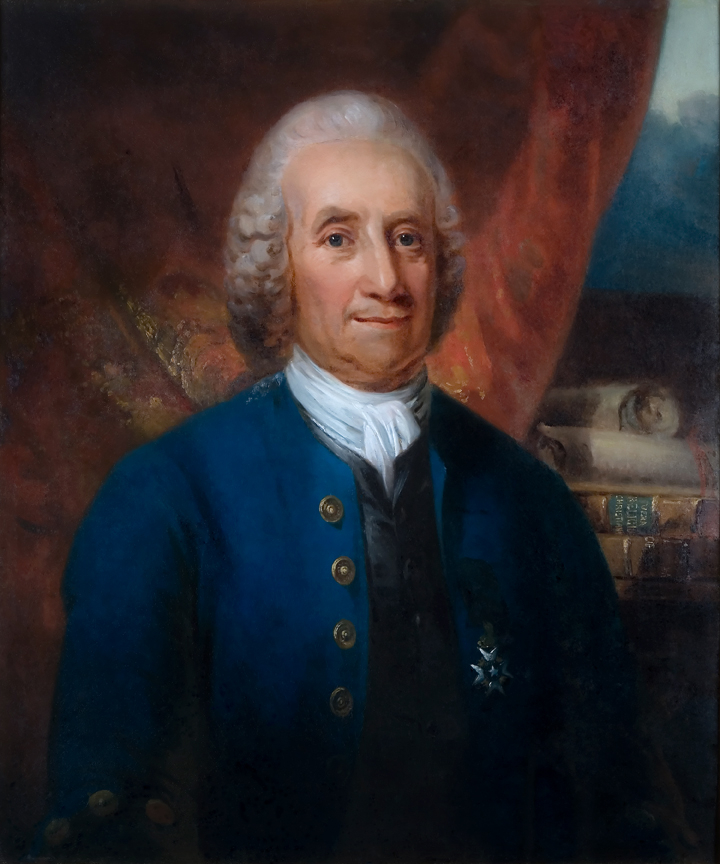
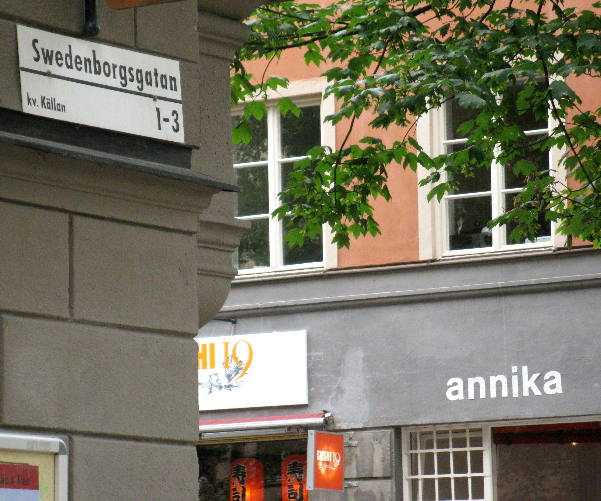 Visitors to the city of Stockholm who find themselves with an hour or two to spare can enjoy a walk in Swedenborg’s old neighborhood, in the city’s Södermalm district. The memory of the Swedish scientist, philosopher and theologian is kept alive in the area thanks to several public monuments in his honor and a street bearing his name. The Stockholm Metro (Stockholms tunnelbana) includes a stop named Maria Square (Mariatorget), located just one block from the square and city park. The stop exits onto Swedenborg’s Street (Swedenborgsgatan), which terminates at the square. For Google Maps coordinates go here.
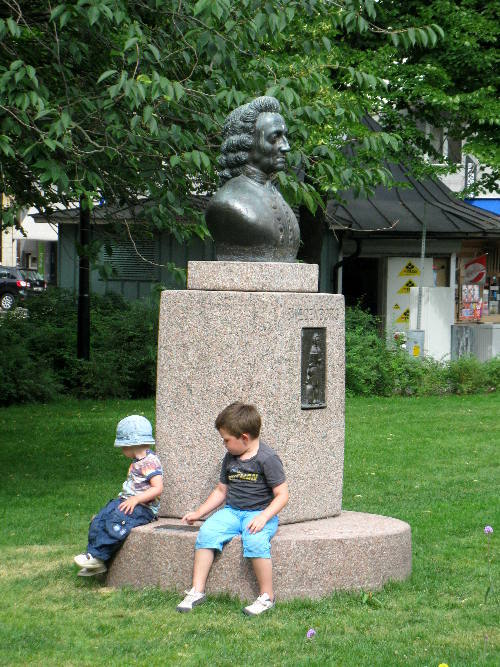
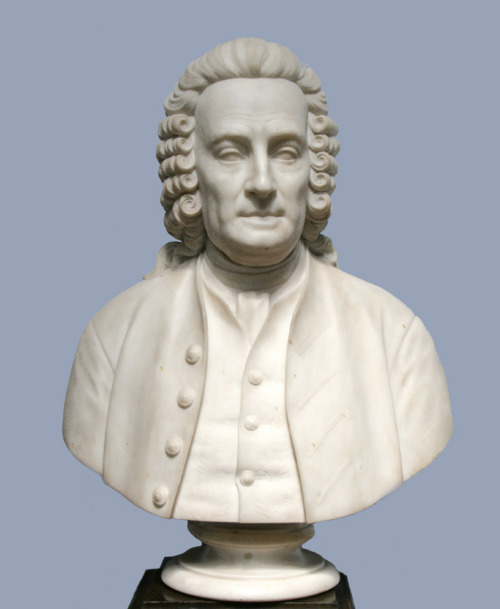
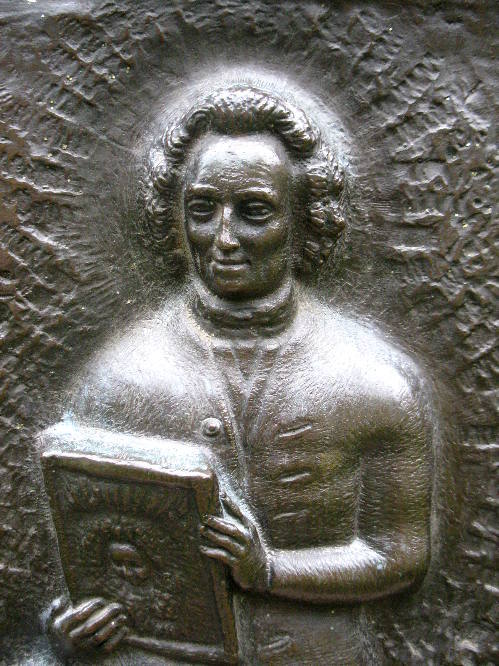 Maria Square, called Adolf Fredrik’s Square in Swedenborg’s time, features a large fountain and a number of bronze sculptures, including a bust of Swedenborg made in 1973 by the Stockholm artist Gustav Nordahl. (See photos, left.) On the pedestal just below the bust is a bronze relief depicting the famous story about Swedenborg and the “angel” in the mirror. As the story goes, a girl from the neighborhood repeatedly asked Swedenborg to show her an angel.