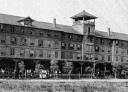
119 Riotous Mob Attacks New Church Temple (1791)
“Two or three times the mob came to destroy our Temple, upon the supposition that we were against Church and King, as the Unitarians were supposed to be, and the last time the mob came by thousands, with wood under their arms to burn our Temple; I rush’d in amongst the crowd, to the ring leader, explained to him that we had no connection with Dr. Priestley or that Party, and that we wished no ill to the Church, or the King, and putting a guinea or two into their hands (N.B.—this was given by Mr. Hand’s brother), they went away with ‘Huzza to the New Jerusalem for ever.’ Thus the temple escaped destruction. After the mob was dispersed and peace restored, we were quiet and successful as before” (Joseph Proud, unpublished Memoir, 1822. In Early History of the New Church in Birmingham, by E.J.E. Schreck, 1916, 32).
This dramatic attack on the New Jerusalem Temple in Birmingham—the first building in the world erected specifically for New Church worship—took place in 1791 Continue reading » » » »
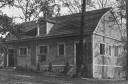
115 First New Church Place of Worship in the World (1791)
“It is somewhat remarkable, that the opening of the [Birmingham] Temple should take place on the 19th day of June, 1791, which is exactly 21 years (3 times 7) since the Lord sent his twelve disciples throughout the whole spiritual world to preach the new and everlasting gospel, That the Lord God Jesus Christ reigneth, whose kingdom shall endure for ever and ever. . . . And what is likewise worthy of notice is, that the proprietors of the Temple, when they appointed the day of opening it, were not in the least aware of the above circumstance, neither did the reflection occur to the mind of any person till after the day of opening it was publicly announced” (The New Magazine of Knowledge, June 1791. In Early History of the New Church in Birmingham, by E.J.E. Schreck, 1916, 27).
The New Jerusalem Temple in Birmingham, England, was built from 1790 to 1791. It was the first building in the world erected specifically for the purpose of New Church worship, although it remained in New Church hands for only two years. No drawings are known to exist from 1791, but “thanks to the interruption in the copper coinage of the realm at that period, we are given a clue as to what the building looked like. Continue reading » » » »
111 The Angel in the Mirror
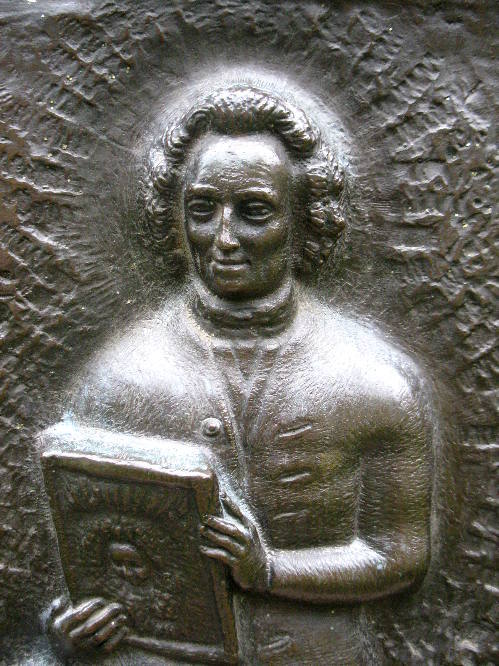
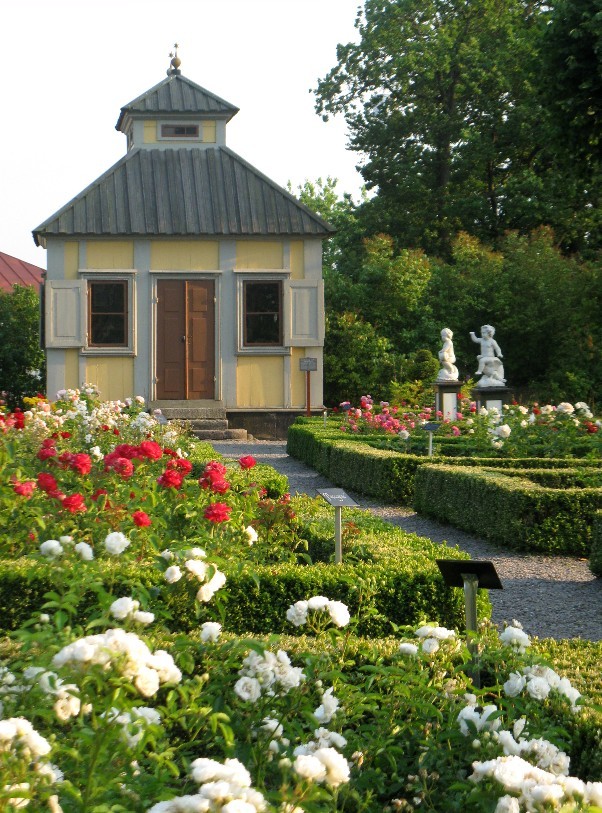
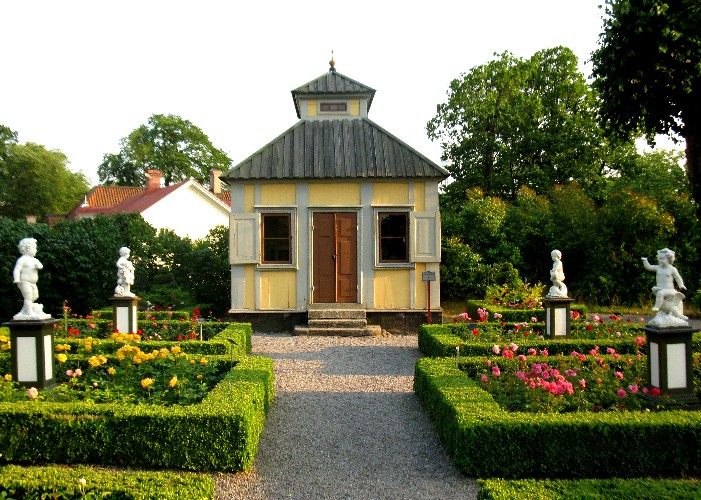
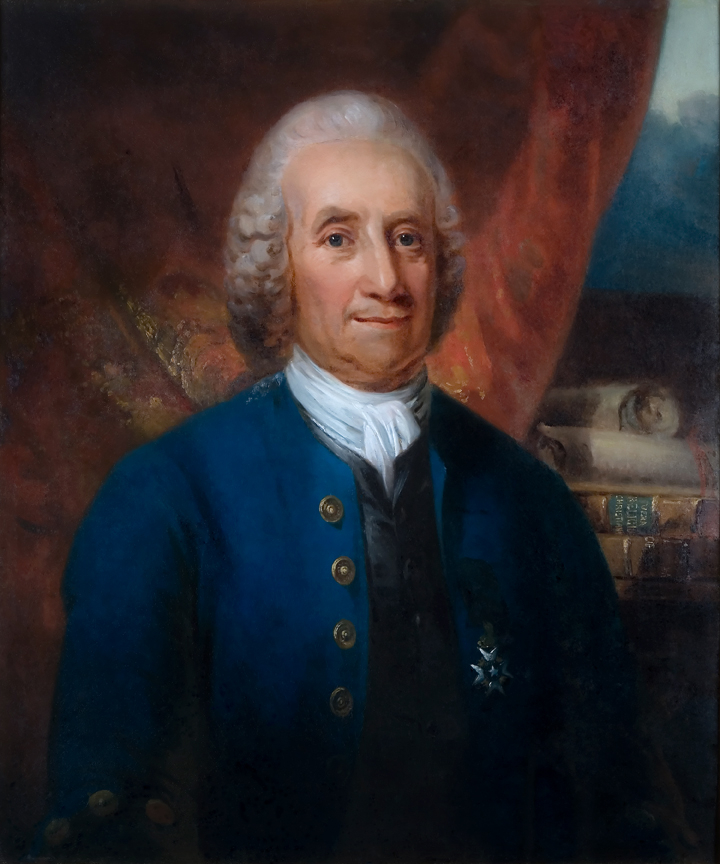
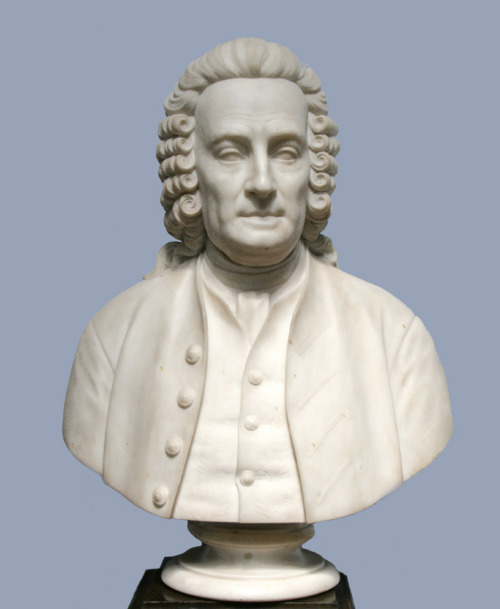
“‘Now you shall see an angel’; and as he spoke, he drew up the curtain, when the maiden beheld herself reflected in a mirror.” This charming story about Emanuel Swedenborg and a young visitor to his garden may sound like a fanciful legend, but it seems to have actually happened. (See below for information about the original source.) It is a favorite with New Church children, and has been told in New Church elementary schools since the 19th century, often in connection with Swedenborg’s birthday celebrations:
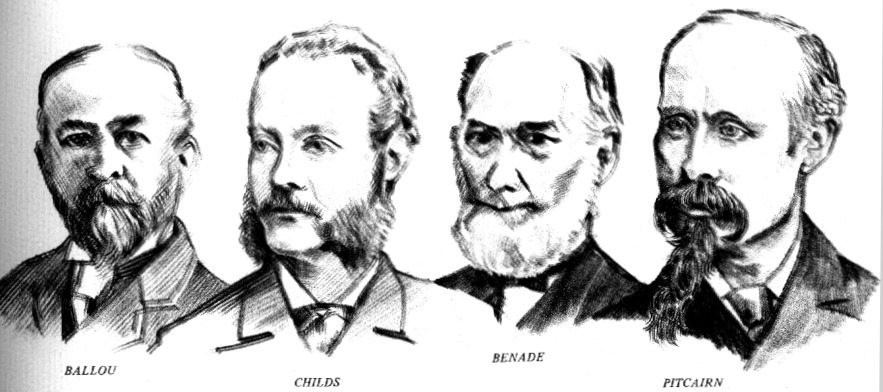
“As this was the eve of the anniversary of Swedenborg’s birth it was thought to be a fitting occasion for giving some instruction concerning him. Accordingly after the dancing, which followed the pleasant and frugal supper, the entire school assembled to listen to a short account of Swedenborg from Chancellor Benade. Although the remarks were comprehensible to the youngest pupils, whose knowledge of the subject dates from yesterday, so to speak, they were nonetheless interesting to the older pupils and teachers. At the close of these remarks one of the students of Theology read a poem which he had ably translated from the Swedish. It told in the metre of the original, of a dear little girl who went to Swedenborg with the request that he would permit her to see an angel. After listening kindly to her child-like prattle he led her to a mirror, and showed her the image of herself, and thus granted her prayer” (New Church Life 1887, 62).
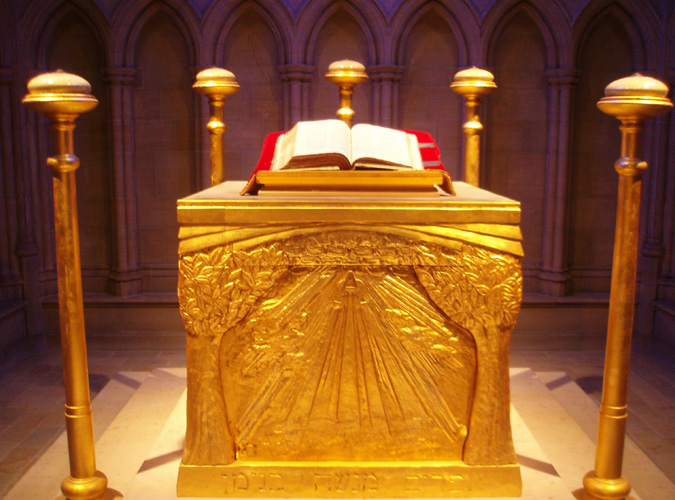
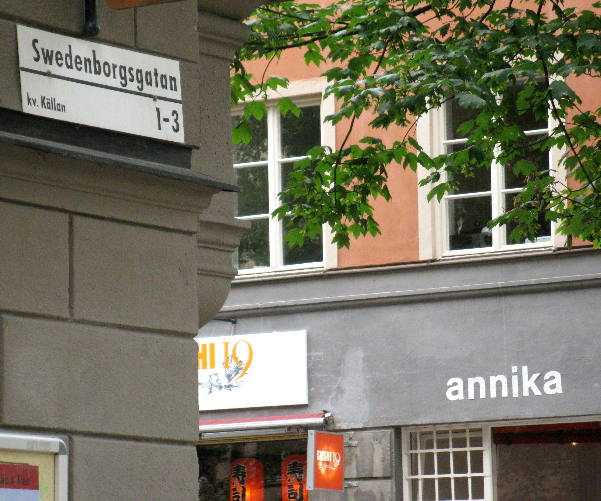
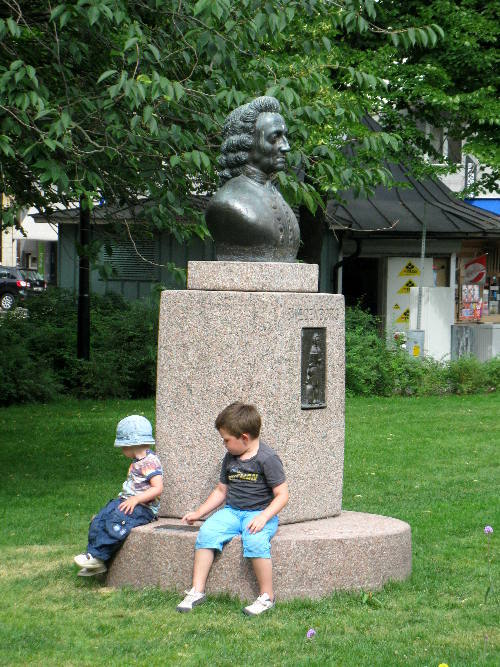
The story has been depicted in a bronze relief on the pedestal of a bust of Swedenborg in Maria Square, Stockholm, by the Swedish artist Gustav Nordahl. (See photos of Nordahl’s 1973 bust from the “Swedenborg’s Sweden” trip co-sponsored by Bryn Athyn College and Glencairn Museum in 1998. Continue reading » » » »
107 Placement of Cornerstone for New Church Temple Causes Rev. William H. Benade to Resign (1854)
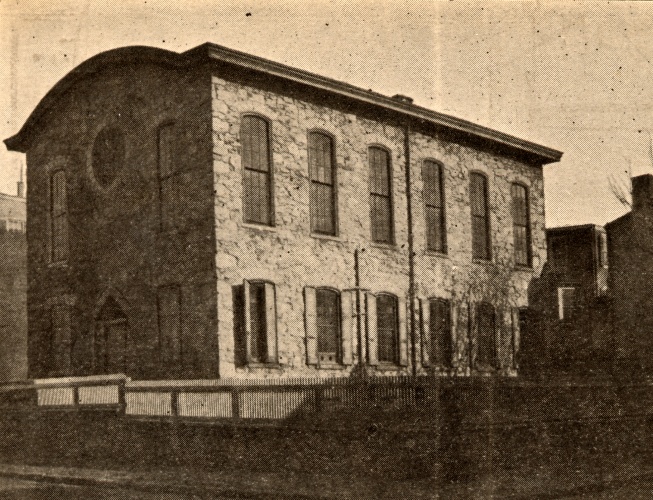
On September 4, 1854, a cornerstone containing a “time capsule” was ceremoniously laid for The First New Jerusalem Society of Philadelphia’s temple at the corner of Broad and Brandywine. The time capsule, set in the hollow center of the cornerstone, was a tin box - nine inches long, six inches wide, and four inches deep. The elders of the society, in the presence of the building committee, deposited a number of documents in the box. However, the acting minister of the society, Rev. William Henry Benade, was conspicuously absent from the ceremony, having refused to take part. On October 15, Benade resigned his pastorate over disagreements with the church’s building committee, and preached a farewell sermon based on the text from Psalm 127: “Except the Lord build the house, they labor in vain that build it.”
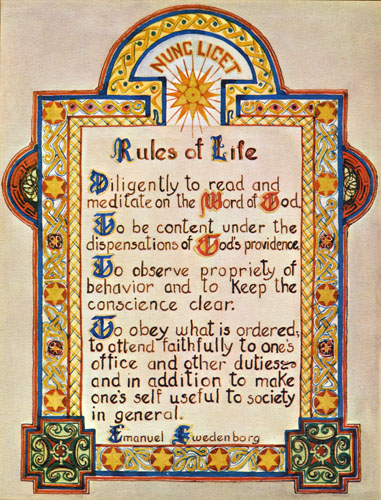
Today the cornerstone is in the collection of Glencairn Museum, and the materials in the tin box “time capsule” reside in the Academy of the New Church Archives, Swedenborg Library, Bryn Athyn, PA. Included among the papers were a handwritten copy of the “Articles of Faith” of the New Church (see photo below) and a short document describing the history and organization of the society (Eldric S. Klein, “Report of the Archivist,” The Academy Journal, 1971-72, 25). The papers were somewhat damaged during their 118-year stay in the tin box, perhaps due to seepage from groundwater. Continue reading » » » »
Copyright © The Academy of the New Church
E-Mail: ed.gyllenhaal@glencairnmuseum.org
This page is powered by WordPress and is based on the Hiperminimalist Theme design by Borja Fernandez and adapted by Amos Glenn.
Entries and comments feeds.