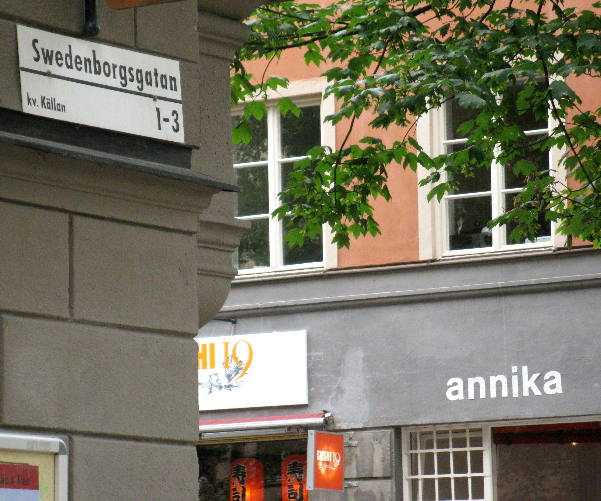
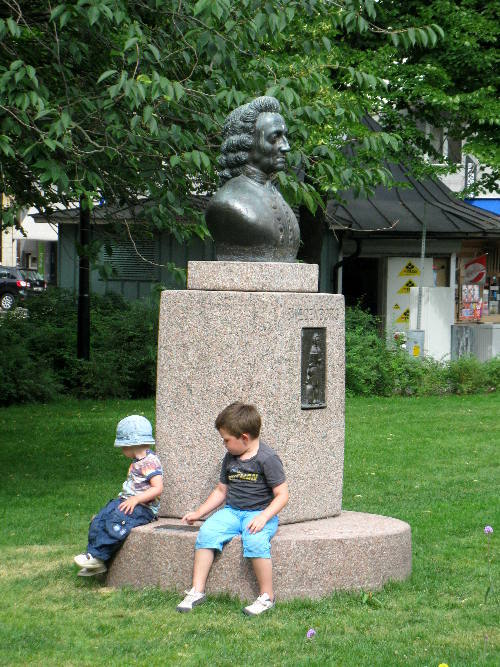
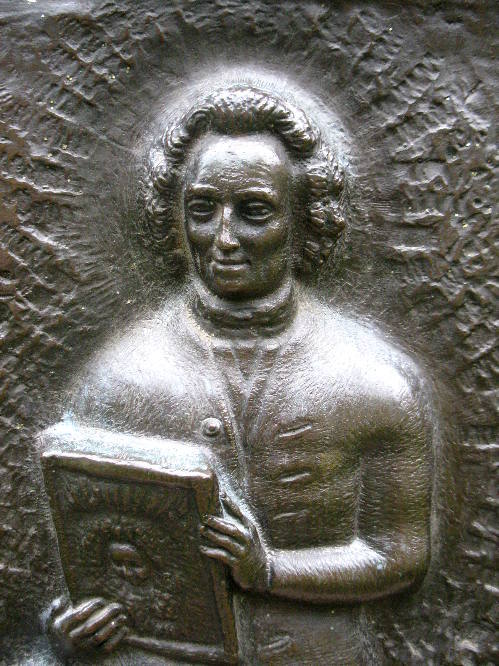
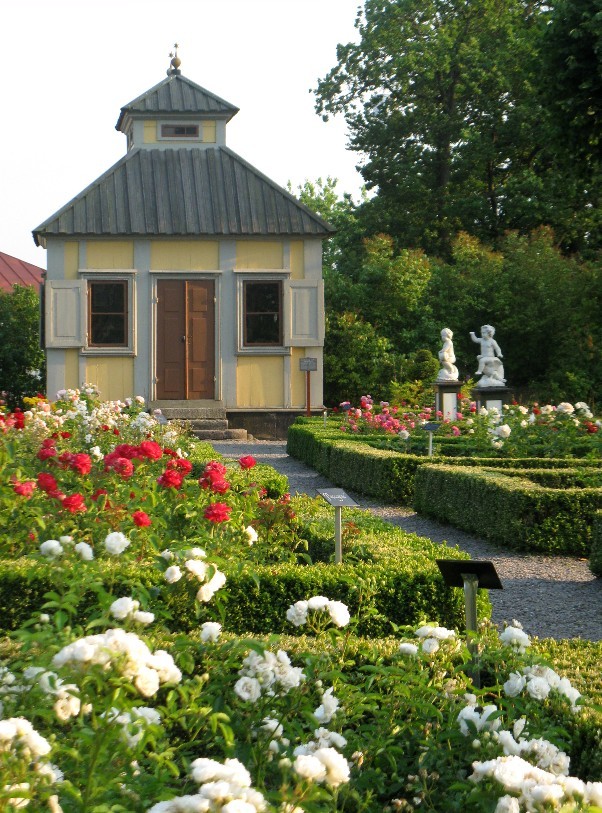
97 The Tomb of Jesper Swedberg at Varnhem Cloister (1736)
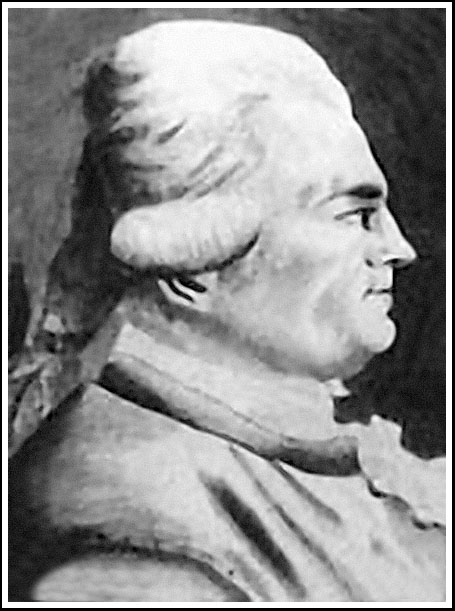
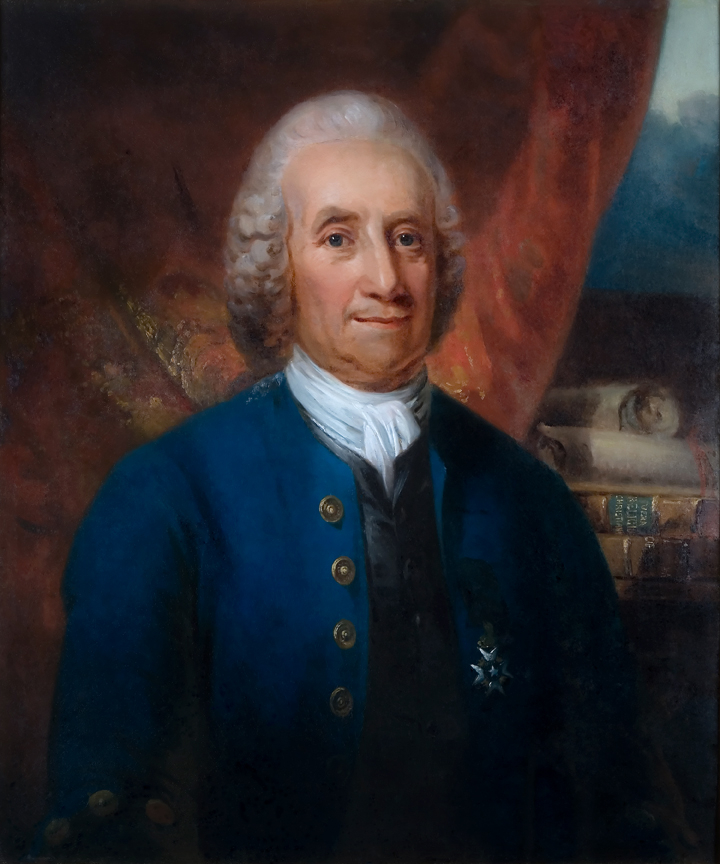
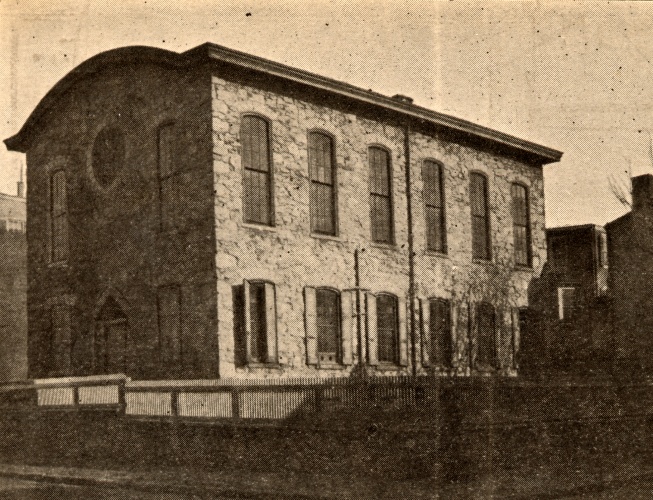
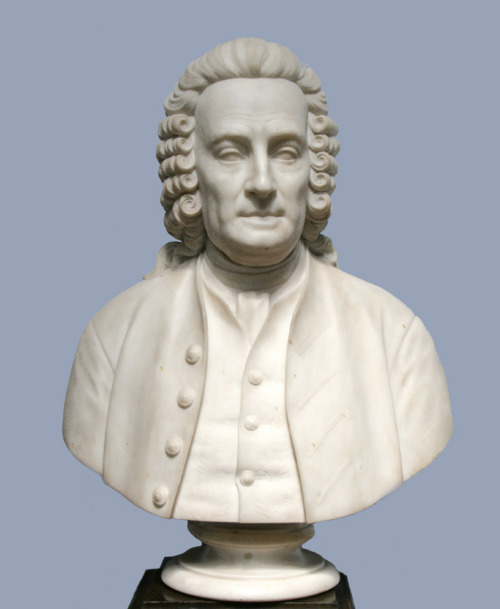
Bishop Jesper Swedberg (1653-1735), Emanuel Swedenborg’s father and one of the leaders of the Swedish Lutheran Church, died in July 1735. He was buried beside Sara Bergia (d. 1720), his second wife, in a tomb on the south side of the cloister church of Varnhem (in Västergötland, near Skara). Sara Bergia, Swedenborg’s stepmother, had developed a great affection for the boy, and left him a large inheritance when she died in 1720. The epitaph above the door of the tomb, although exposed to the elements, has survived in excellent condition:
“The Bishop’s D.J. Swedberg’s and his d(ear) wife mrs. SARA Swedenborg’s (last) restingplace. A(nno) 1720″
The details of Jesper Swedberg’s funeral provide an interesting look into 18th century Swedish funerary customs. The excerpts below (pp. 125-6, 128, 131) are from Swedenborg’s Secret—The Meaning and Significance of the Word of God, the Life of the Angels, and Service to God—A Biography, by Lars Bergquist (London: The Swedenborg Society, 2005):
“In July 1735 [Bishop Jesper Swedberg] had felt that his life was moving towards its close, and he took to his bed. Continue reading » » » »
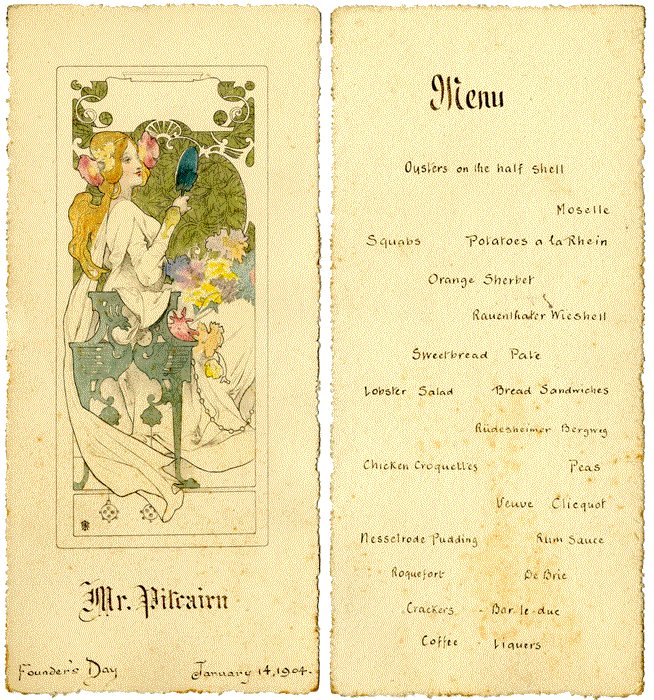
94 Valentine Parties in New Church Congregations (1882-1945)
“The young ladies have solved the mysteries as to just who sent them their valentines, with a promptness that should strike terror into the heart of the average young man, while most of the young men are decidedly in the dark as to whom they are indebted for their pretty favors” (New Church Life 1882, 47).
Although the New Church does not recognize any saints, St. Valentine’s Day, like Halloween and other secular holidays, has been celebrated in New Church schools and congregations since the latter part of the 19th century.
Chicago, Illinois, 1882:
“Since our last letter we have had a pleasant Church social at the house of Mr. Junge, and the young people’s club has met twice; the last time, on the evening of St. Valentine’s day, at the house of Mr. Smeal . . . The second feature of the evening was the distribution of the valentines, which had been deposited in a box in the hall by the members of the company as they came in, and this feature of the evening, which had been regarded rather skeptically by some, proved quite entertaining and was a success; a strict embargo had been put upon the sending of caricatures, and only one managed to find its way among the lot, but that was a work of art (in its way), and considered by the company to serve the recipient just right.
“The third feature of the evening consisted in discussing large quantities of cake and ice cream, Continue reading » » » »
92 Cairnwood Featured in New Book about Carrere and Hastings, Architects
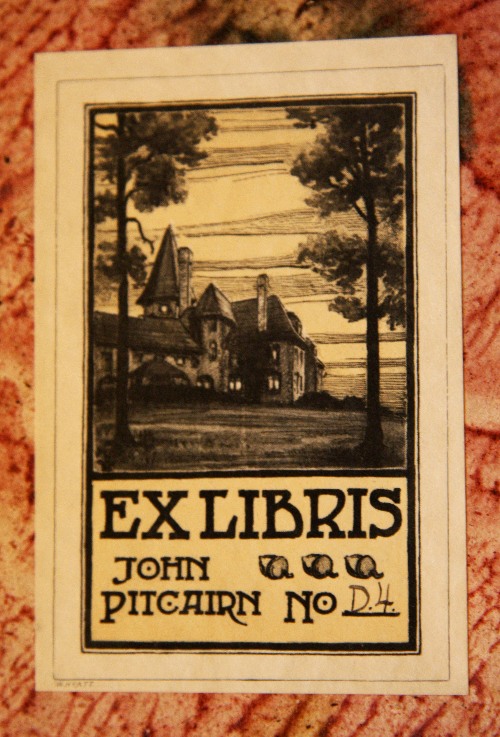
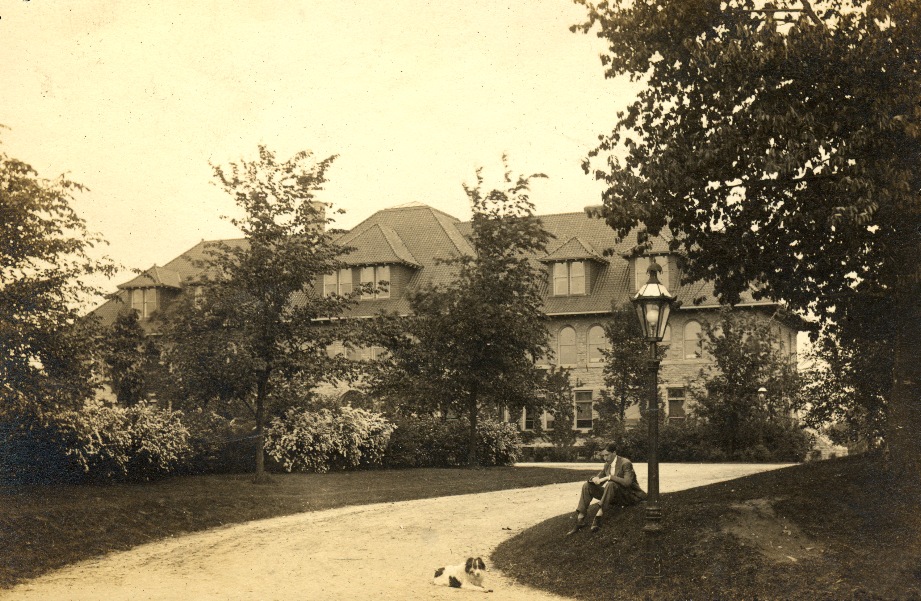
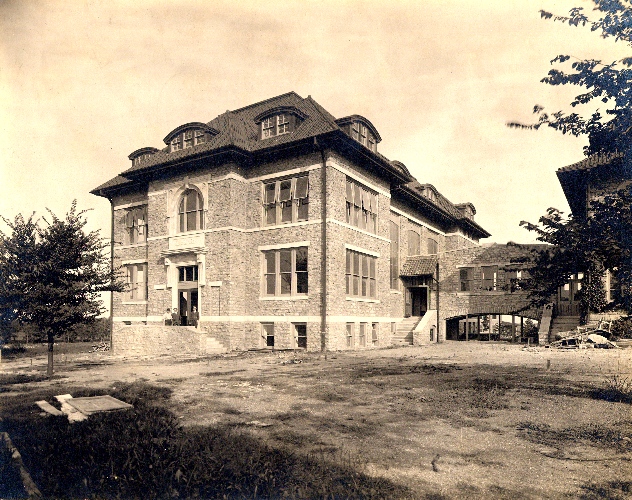
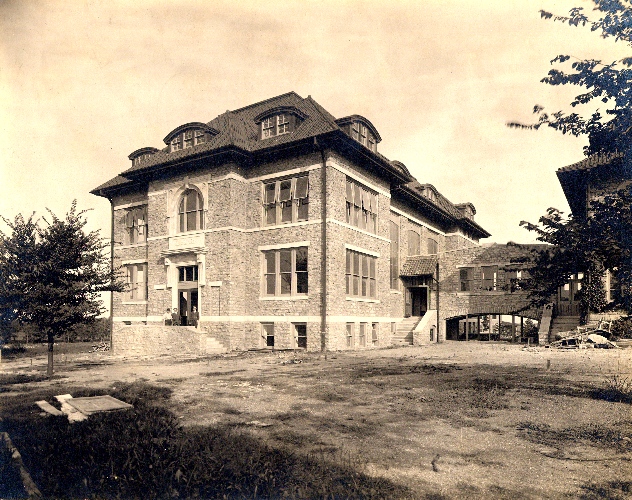
What do the New York Public Library, the original House and Senate office buildings on Capitol Hill, the Frick mansion, and Cairnwood, the former home of John and Gertrude Pitcairn in Bryn Athyn, have in common?
They all were designed by the renowned New York architectural firm of Carrère & Hastings, and all are featured in a new book: Carrère & Hastings, Architects. The first comprehensive study and visual record of the firm’s remarkable achievements, this two-volume work is already being hailed as “the architectural book of the year” (Francis Marrone).
One of the book’s authors, Mark Alan Hewitt, will speak on the scope of Carrère & Hastings’ work, focusing on Cairnwood, the first large country house designed by the firm, in a presentation at Cairnwood on Feb. 11 at 4 p.m., 1005 Cathedral Road, Bryn Athyn, PA,. The event is free and open to the public.
Hewitt, a registered architect, teacher, and architectural historian, will be available to sign books and answer questions, and all three floors of Cairnwood will be open for self-guided tours from 5 p.m. to 7 p.m. The event is co-sponsored by Cairnwood and the Institute of Classical Architecture & Classical America.
In the 1890s, country living was developing as an ideal among the wealthiest Americans, and leading designers worked to develop an architectural form for that ideal. The firm of Carrère & Hastings, which helped define the architecture of the period, was responsible for some 600 projects in its 45-year history. Many of the firm’s homes were built for leaders of the oil and railroad industries, like John Pitcairn, who commissioned Cairnwood in 1892. The home was completed in 1895. Continue reading » » » »
Copyright © The Academy of the New Church
E-Mail: ed.gyllenhaal@glencairnmuseum.org
This page is powered by WordPress and is based on the Hiperminimalist Theme design by Borja Fernandez and adapted by Amos Glenn.
Entries and comments feeds.