91 319th Birthday of Emanuel Swedenborg

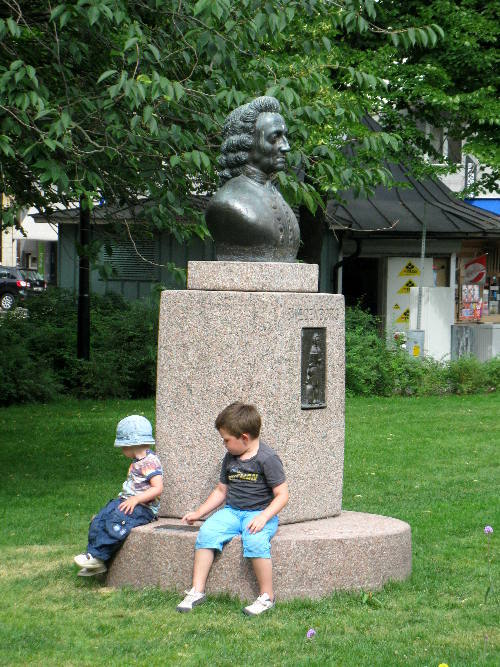
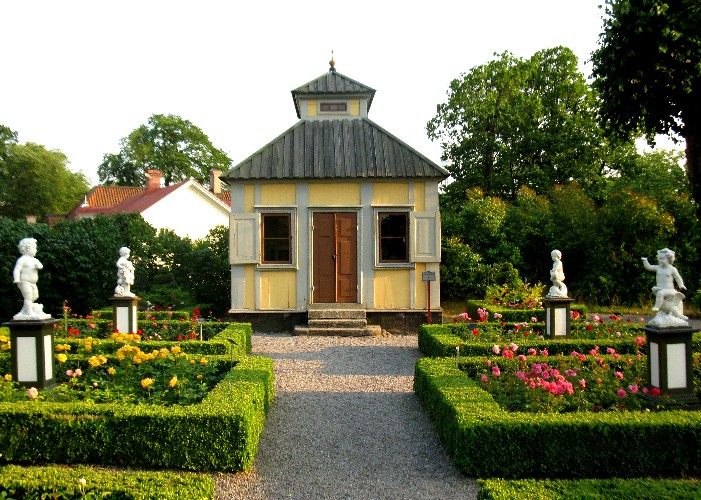
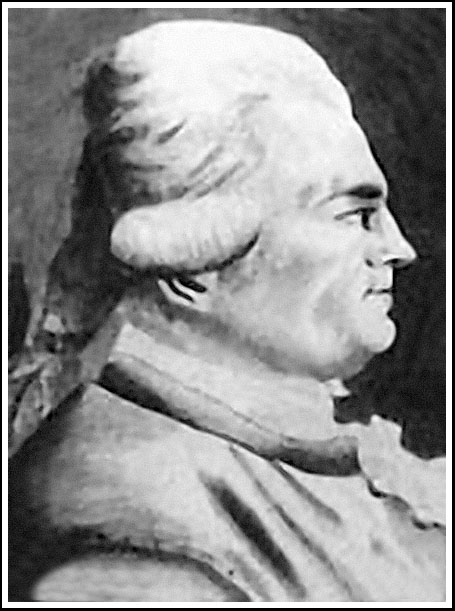
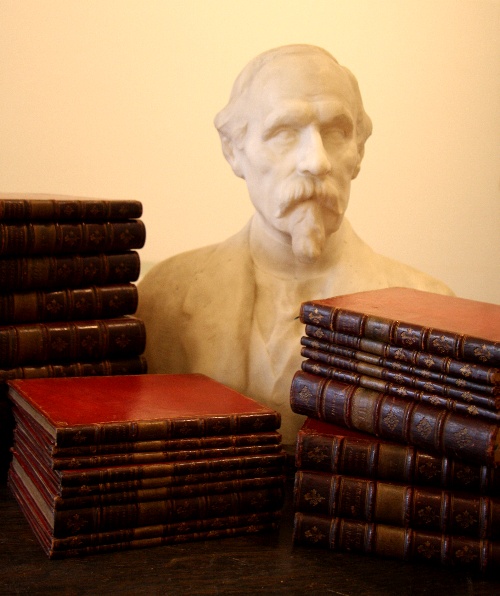
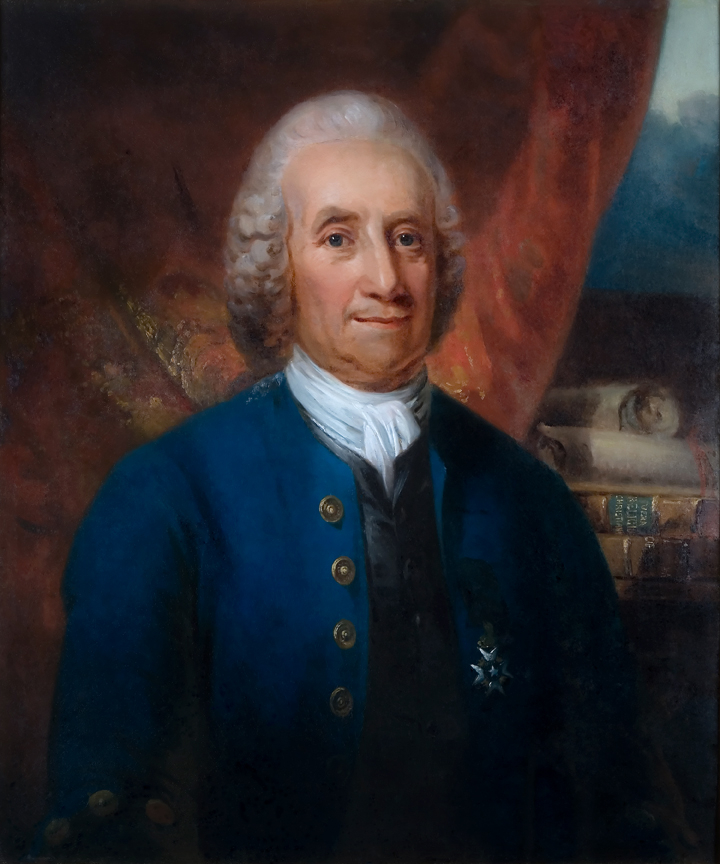
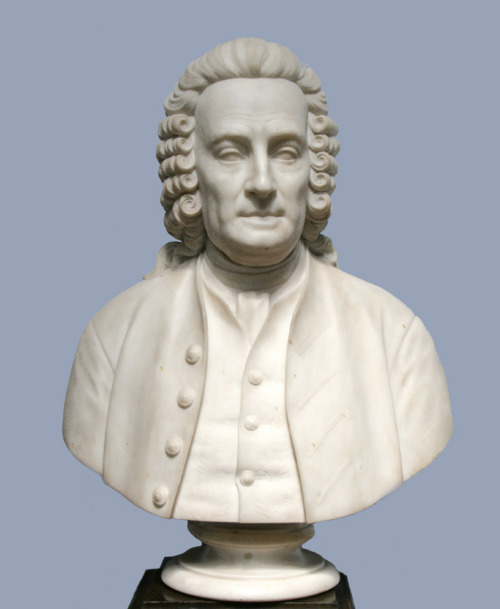
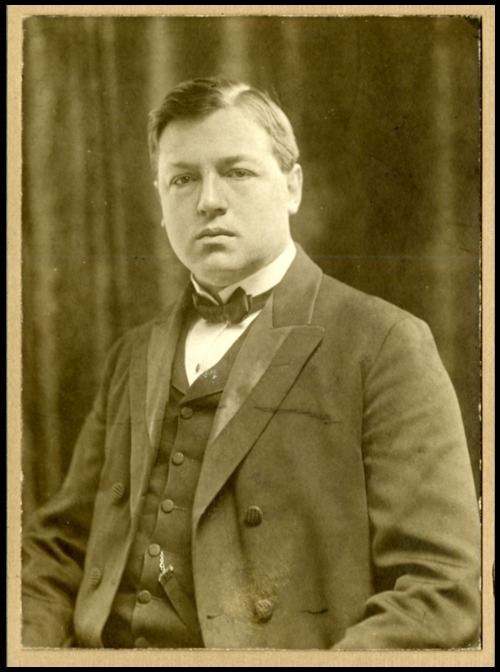
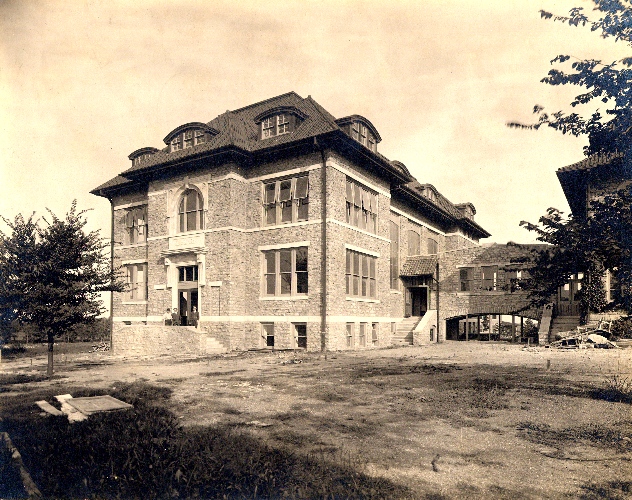
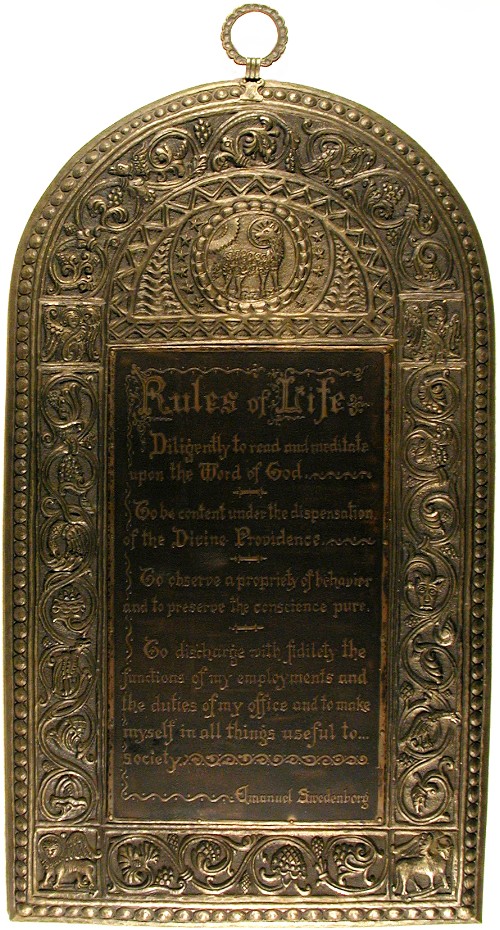
swedenborg-hollsm.jpg“There was a birthday cake for Swedenborg, and one little boy couldn’t understand why Mr. Swedenborg was not present at his own birthday party” (Church News: Toronto, Canada, in New Church Life 1921, 376).

For more than a century, New Church schools and congregations around the world have been celebrating the birthday of Emanuel Swedenborg (January 29th, 1688) with parties, banquets, and other activities. A detailed account of an 1892 Swedenborg’s birthday celebration at the Academy of the New Church in Philadelphia was published in New Church Life:

“ANNIVERSARY OF SWEDENBORG’S BIRTHDAY

IT has been customary in the Philadelphia Schools for several years past, to celebrate Swedenborg’s birthday in some way. First, by a few remarks at the opening exercises in the morning. Then by a lecture on Swedenborg’s life and mission, and once by an evening social with appropriate toasts and speeches.

But last year’s celebration by a school dinner was so eminently satisfactory, that it was the universal desire that the day should be annually celebrated in that way. Accordingly there assembled in the Boys School building at noon, on January 29th, a company of about one hundred, including all the pupils of the school, old and young, Continue reading » » » »

88 First New Jerusalem Temple in Philadelphia (1817)

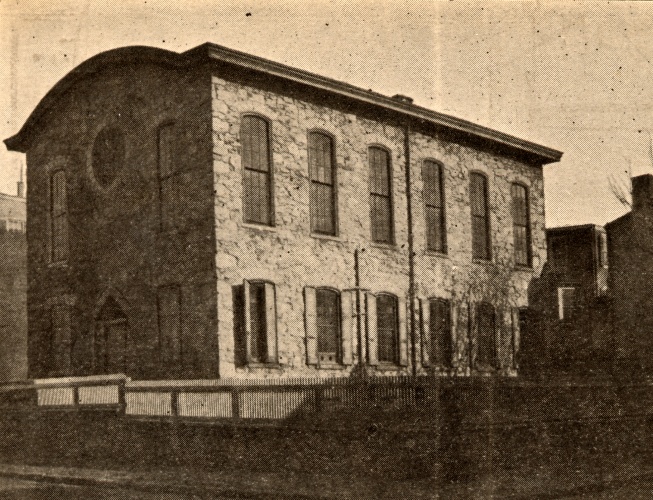
stricklandtemplesm1.jpgOn January 1, 1817, the New Jerusalem Temple, the first New Church place of worship in the city of Philadelphia, was dedicated at the south-east corner of Twelfth and George [now Sansom] Streets. The building was designed by William Strickland, a member of the New Church who would go on to become the most famous Philadelphia architect of his day. This illustration of the temple (above) was engraved by Strickland himself.

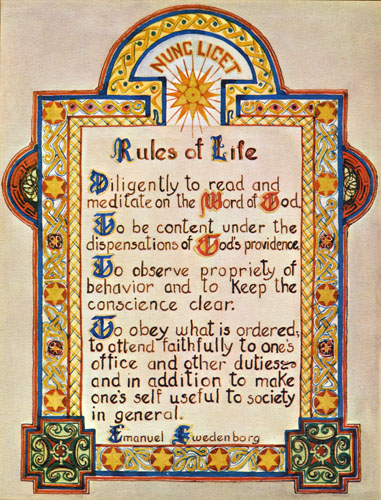
Later accounts of the New Jerusalem Temple in New Church publications (e.g. New Church Life 1932, 431) indicate that it was built according to the doctrine of “correspondences” described by Emanuel Swedenborg, and modeled after the Nunc Licet temple described in True Christian Religion 508:

“One day a magnificent church building appeared to me; it was square in plan with a roof like a crown, with arches above and a raised parapet running around . . . Later, when I got closer, I saw there was an inscription over the door: NOW IT IS PERMITTED. This meant that now it is permitted to enter with the understanding into the mysteries of faith” (TCR 508).

As yet no early sources have been found that name the Nunc Licet temple as the inspiration behind the design of the New Jerusalem Temple. The building was made possible by William Schlatter, a wealthy merchant and devoted member of the early Philadelphia society. The society wanted a church, but did not have the financial means. Continue reading » » » »

80 Twenty-Fifth Anniversary of Glencairn Museum (January 16, 1982)

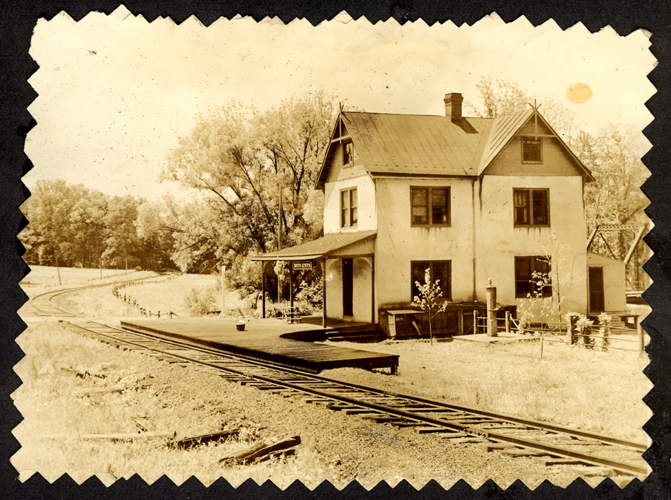
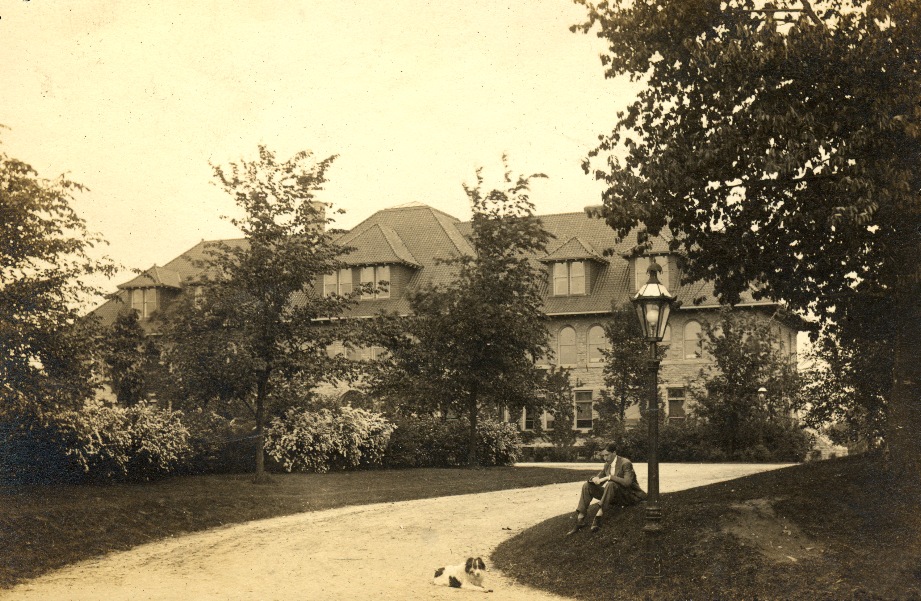
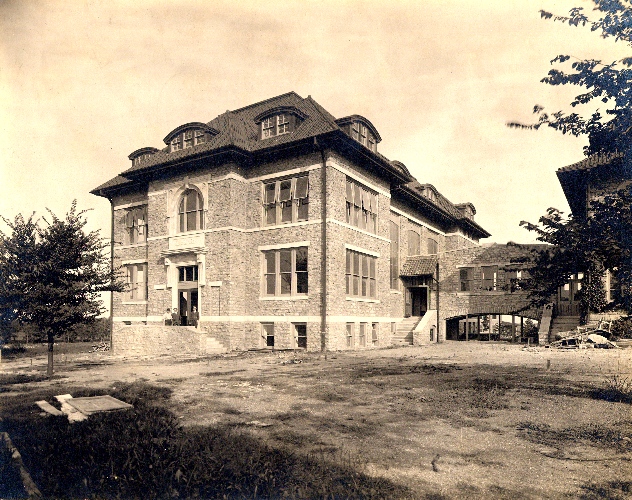
museumopen.jpgExactly twenty-five years ago today, Glencairn Museum opened its doors to the public for the first time. The opening event was described in the March issue of the newsletter:


“GLENCAIRN MUSEUM OFFICIAL OPENING—JANUARY 16, 1982

Everyone comes to Glencairn with memories. It was a home that transcended its majestic setting. The Raymond Pitcairn family made sure that it was a community resource as well. That is its legacy.
The sphere of the Great Hall is alive with remembrance: of music, dances, art, history, culture, warmth. All of it revolved around the church, elevating each event and our recollections of it.

Now Glencairn is home for the Academy Museum, and it is a natural transition.

The graciousness with which the Raymond Pitcairn family furnished their home remains. Glencairn, for all its formal splendor, was never remote, sterile, intimidating. As a museum, it is as inviting as it always was, for Christmas Sing or springtime dance.

For years, there had not been the appropriate space to display the Academy Museum’s impressive collection of treasures. So they were consigned to the Library attic. Now they have the setting they deserve, as well as the growing expertise and continued devotion of a dedicated staff and committee.

All of this made a stunning impression at the official opening of the Glencairn Museum on a night when the warmth of this special occasion transcended the numbing cold outside. Continue reading » » » »

75 A New Year for the New Church? Not so fast!

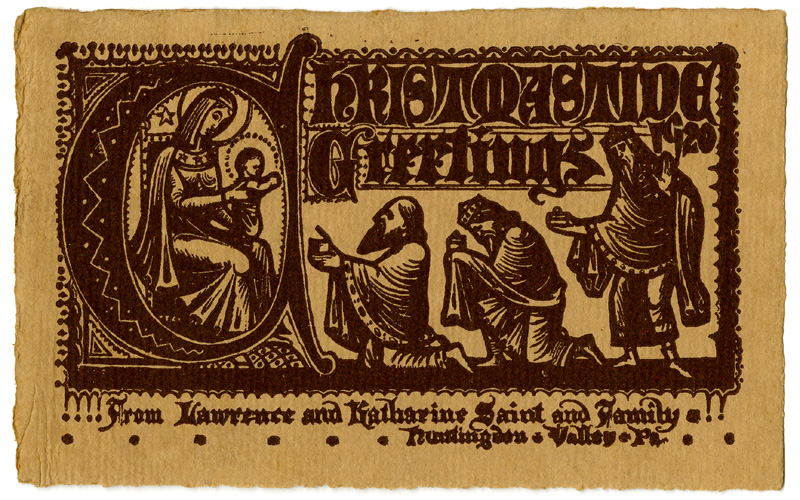
christmas1889detail.jpgAccording to a New Church calendar system used during the late 19th century, the new year will not take place until next June 19th. And the year will be 238!

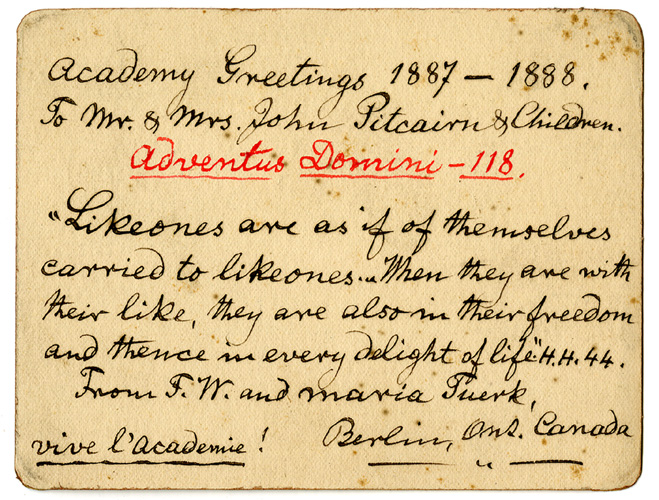
In a 1977 issue of New Church Life, the question was asked, “I wonder if anyone in the New Church has ever thought of a distinctive New Church calendar? As the Old Church starts theirs with the first coming of the Lord into the world, why not a calendar commencing anew with the second coming?” (January 1977, 38). In fact, such a system was in use during the late 19th (and even early 20th) century among New Church people connected with the Academy movement. As explained in a 1918 issue of New Church Life, “June the Nineteenth, 1770, is regarded by some as the head of the year, and they even wish to begin a new calendar dating from that time” (August 1918, 515).

The New Church system of dating (usually written as 1890=120, i.e. Gregorian year=New Church year) was never used on a daily basis by Academy and General Church members. However, before the turn of the century it was common to see the system used, not only in publications, but in greeting cards and invitations. See, for example, this Christmas card from 1889 and this wedding invitation from 1890. As late as 1910 it appeared on a June 19th card.

New Church Life used the system on its masthead beginning with the January 1886 issue, Continue reading » » » »

Copyright © The Academy of the New Church
E-Mail: ed.gyllenhaal@glencairnmuseum.org

This page is powered by WordPress and is based on the Hiperminimalist Theme design by Borja Fernandez and adapted by Amos Glenn.
Entries and comments feeds.