73 The Great Santa Claus and Christmas Tree Debate (1888-1913)
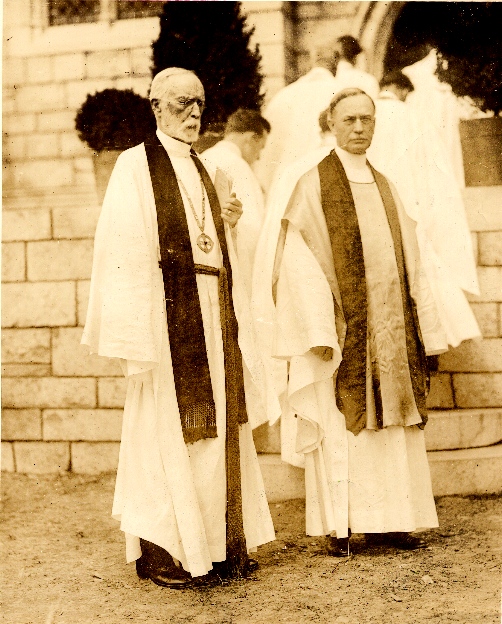
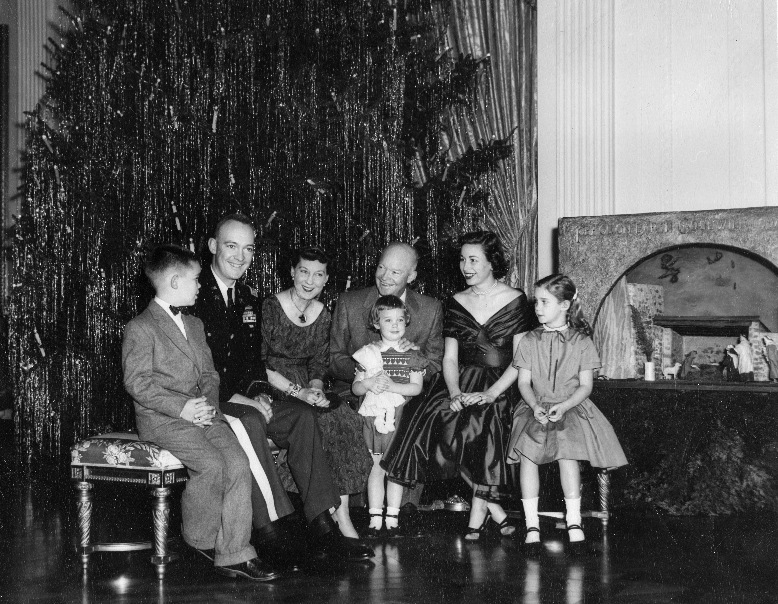
1888: Santa Claus “was banished, as being unworthy of a place in any ceremonial in honor of our LORD. The heathen Christmas tree was also discarded. . .”
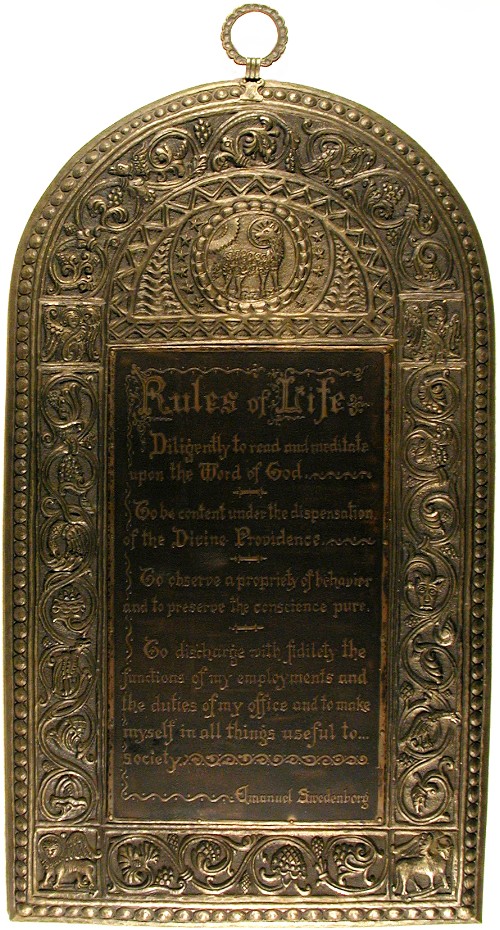
1913: “There were some, however, who never regarded the criticisms of these two Christmas features as well founded, and in the course of years one or the other, or both, have gradually regained their former positions in many of our homes.”
In 1888, the Philadelphia schools of the Academy of the New Church held their first Christmas celebration, as reported in the pages of New Church Life:
“CHRISTMAS AT THE ACADEMY SCHOOLS, PHILADELPHIA.
The Philadelphia schools of the Academy had a service this year in celebration of Christmas, for the first time since their establishment. From this service Santa Claus, the traditional saint of the Catholic Church, was banished, as being unworthy of a place in any ceremonial in honor of our LORD. The heathen Christmas tree was also discarded, because, being a tree without roots, it is dead; and with its lifeless branches, adorned with glittering gewgaws and hung with fruits that never ripened upon them, is a correspondence of the dead church, by which it has been adopted. (T. C. R. 451, 185.)
Children have been accustomed to look forward to Christmas as a day for receiving numerous presents—the most valued of these being sweetmeats, which they are permitted to indulge in even to satiety— Continue reading » » » »
69 Farmers Sell Land to John Pitcairn for New Church Community and School (1891)
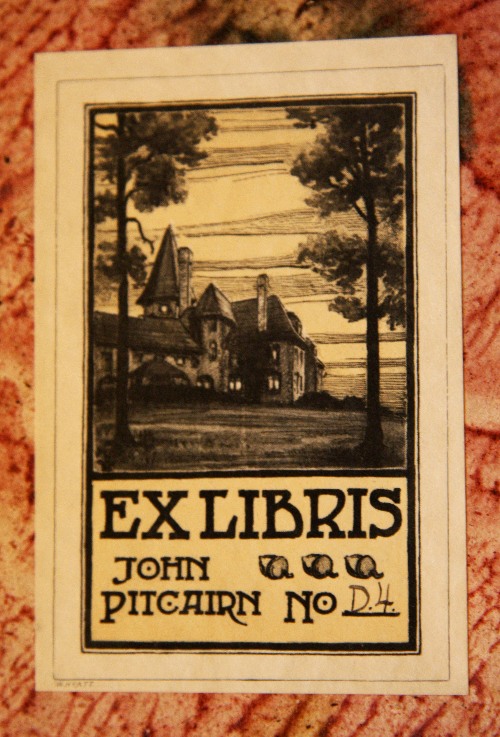
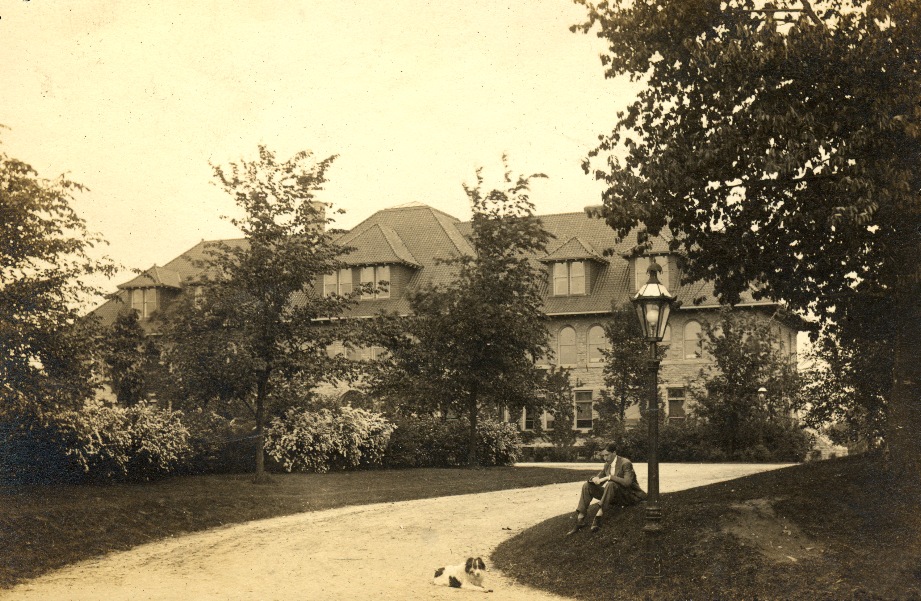
“These Sweden-Bordian (sic) are trying to buy all the place around . . .” This statement, recorded 115 years ago (December 9th, 1891) in a young girl’s diary, presages the founding of Bryn Athyn, a New Church community. Her parents, Charles and Mary Holt, sold the family farm in Huntingdon Valley, Pennsylvania, to John Pitcairn on December 7th, through the agency of Robert Glenn. John and Gertrude Pitcairn would eventually purchase a number of local farms, amounting to more than five hundred acres—enough land to accommodate Cairnwood (the Pitcairn family’s estate), the New Church community, and the Academy of the New Church campus. Plans for the entire settlement were drawn up in 1893 by Charles Eliot, of the famous landscape architecture firm of Olmsted, Olmsted and Eliot. (Frederick Law Olmsted, regarded today as the father of American landscape architecture, designed Central Park in New York City.)
The Holt family papers, including a copy of the sale agreement, are in the collection of The Old York Road Historical Society. The girl’s diary paints a remarkable picture of late 19th century farm life in the area that was renamed Bryn Athyn less than ten years later. She mentions threshing oats, making a pig pen, killing a hog, making scrapple, sewing, cutting wood, and getting goods ready for market. Interestingly, Robert Glenn brought a former neighbor of the Holts (Mr. Knight) with him during one of his visits to their home. The Knight farm, adjacent to the Holt farm, had been bought by the Pitcairns two years earlier.
The diary entries below begin in November of 1891 and continue into December:
“27. clear. getting ready for Market. Mr. Glenn and Mr. Knight were here and made an offer of $350 an Acre for our place. Mr. Knight here to supper. Papa and mother told him they would accept it. Continue reading » » » »
71 A New Old Portrait of Emanuel Swedenborg (1817)
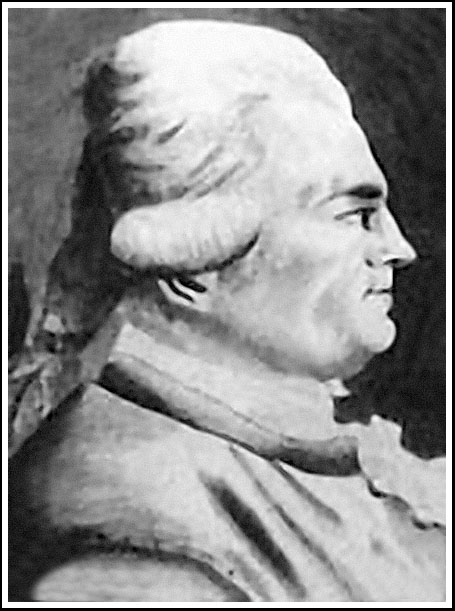
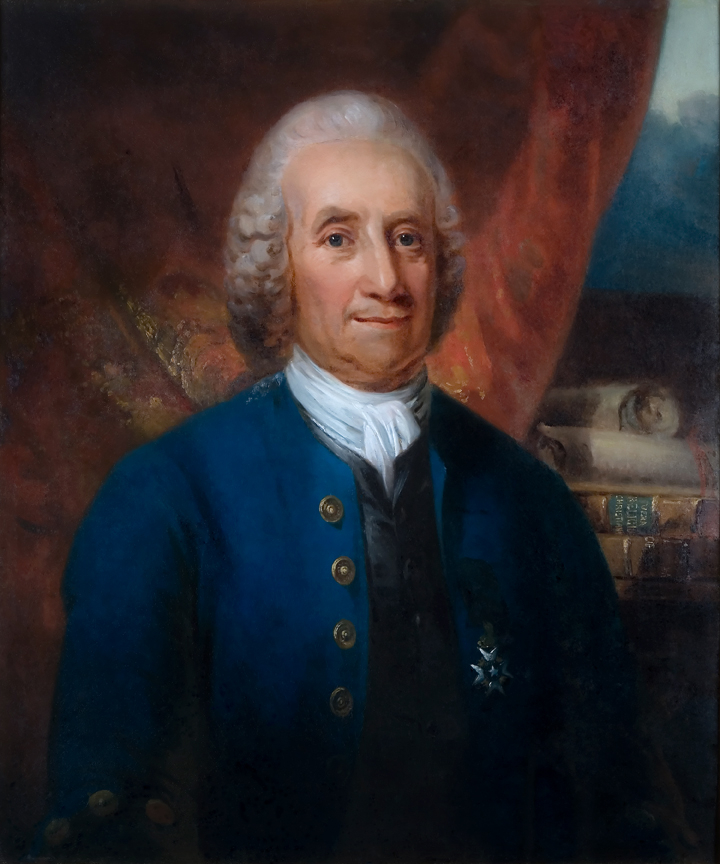
Sometimes a museum can make a great “addition” to its collection by researching, restoring, and appreciating anew an object in its own storage rooms. Such is the case with a 189-year-old oil painting of Emanuel Swedenborg by Carl Fredrik von Breda, one of Sweden’s great portrait artists, recently “rediscovered” in storage at Glencairn Museum.
The conservation of this painting has raised some baffling questions. The conservator had suggested that several areas of repainting be removed from the surface. When this was done, three of the buttons on Swedenborg’s blue coat disappeared, and a special insignia, the Order of the Polar Star (Nordstjärneordern), appeared on his chest! Why were the three bottom buttons added, and by whom? And why was the Order of the Polar Star, an important feature present in the original portrait, later painted over?
For a possible solution to the mystery of the disappearing—and reappearing—Order of the Polar Star, read the complete article here.
Note: A 19th century oil painting of Swedenborg based on the original 1817 portrait by Carl Fredrik von Breda is pictured and discussed in the article at the above link. The Glendale New Church in Ohio is no longer able to care for it, and it needs a new home. For more information please contact Rev. Clark Echols, Pastor.
Copyright © The Academy of the New Church
E-Mail: ed.gyllenhaal@glencairnmuseum.org
This page is powered by WordPress and is based on the Hiperminimalist Theme design by Borja Fernandez and adapted by Amos Glenn.
Entries and comments feeds.